Celebrating 40 Years of Excellence in Pilot Training!

This year we celebrate an important achievement: 40 years of guiding international students toward successful airline pilot careers. To honor this anniversary, we have prepared a special limited-time offer on our most popular training program:
Full Professional Pilot Program A
If you are from Japan and your dream is to build a future in the airline industry, this is the best moment to start. Program A provides complete training: from your very first flight to becoming a licensed commercial pilot, ready to work in airlines worldwide. With structured instruction in Florida's excellent flying conditions, you will gain the skills and confidence to succeed in global aviation.
✈️ Anniversary Promotion – Limited Seats
Don't miss this exclusive chance.
See the reduced tuition below and secure your place today!
-
2000+Airplane Private Pilot Certifications
-
1500+Airplane Commercial Pilot Certifications
-
1500+Airplane Multi-Engine Pilot Certifications
-
1000+Airplane Flight Instructor Certifications

FAA Part 141 Certified Flight Training Center

F1/M-1 Visa Authorization & TSA

FAA & EASA certified flight simulators

Partnership with Riga Aeronautical Institute (RAI)
Accredited by ACCSC
FAA Flight training programs
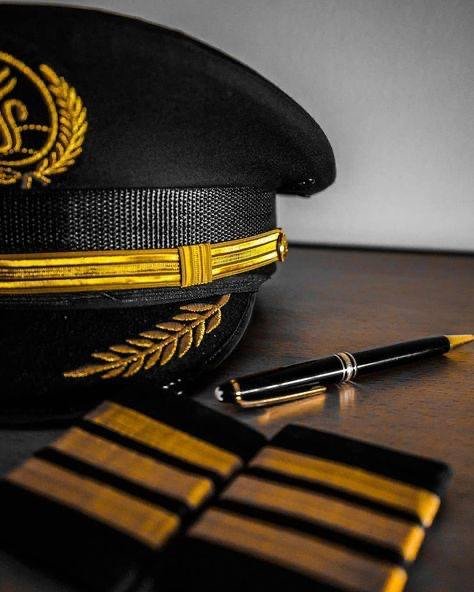
FROM ZERO TO AIRLINE PILOT Full Professional Pilot Program A — Zero to CFI/CFII/MEI in 15 months / Price $68,310 — Pay after visa approval
- FAA Part 141 approved & ACCSC accredited
- 40+ years of experience
Two types of training visas M1/F1:
- F-1 Visa — Train, work as a CFI on OPT, and build flight hours in the USA
- M-1 Visa — Single-certificate programs (PPL through CPL)
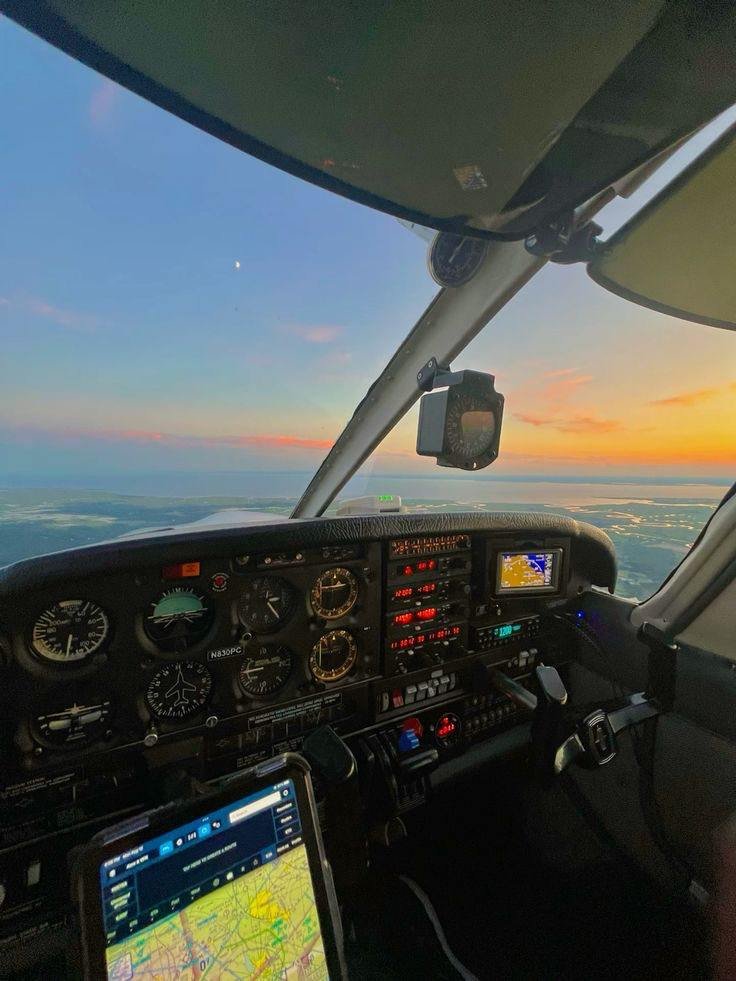
Foreign Pilot Conversion build 1500 hours of flight experience
Convert your ICAO / EASA license to FAA and advance with our CFI courses.
- Earn while you fly, as a Certified Flight Instructor you can make up to $54,000, while gaining the flight hours required for your airline career at our FAA-approved training academy.
- After completing your training, join a U.S. regional airline for one year and receive full sponsorship for your Type Rating.
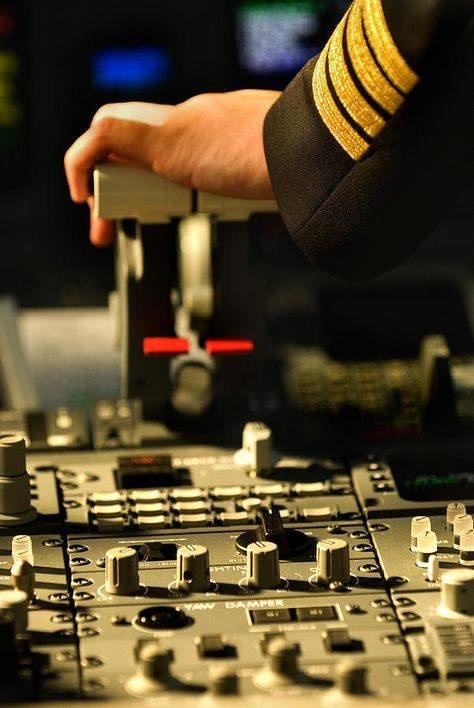
Become a CFI and build your flight expirience
Build 1500 hours airline hiring minimums.
- Get paid to fly and earn back up $54,000
- Join US regional airline for 1 year and be sponsored for the Type Rating
- FAA 141 approved & ACCSC accredited
Visa option: F1 – train, work, and gain experience in the USA
Learn more Start Flying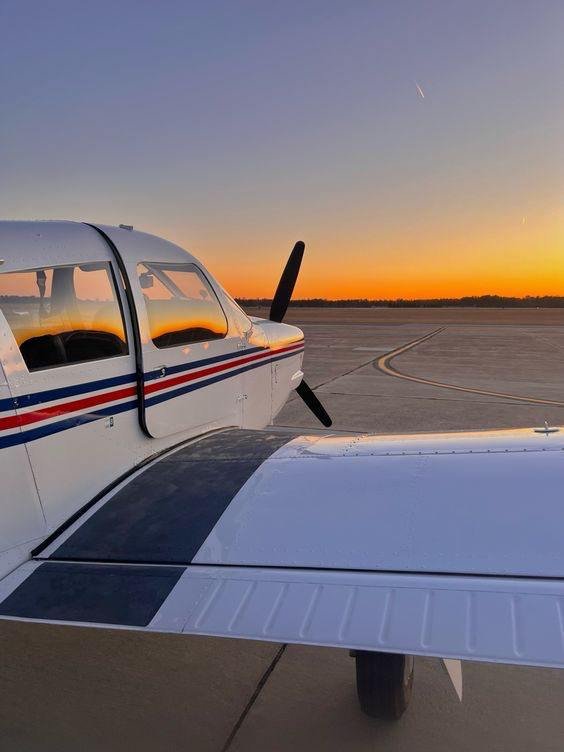
FROM PPL HOLDERS Already hold a PPL? Continue to CPL with Instructor ratings in approximately 15 months — Contact admissions for current pricing
Continue with Instrument Rating, Commercial, Multi-Engine, and Instructor ratings.
- FAA Part 141 approved & ACCSC accredited: recognized quality training that meets the highest U.S. aviation standards.
- F-1 Visa — Study, work, and build up to 1,500 flight hours in the United States while gaining valuable professional experience.
- M-1 Visa — Flexible training option that allows you to return home after completing your program.
- Multi-Engine Add-on and Instructor Ratings available to strengthen your career prospects.
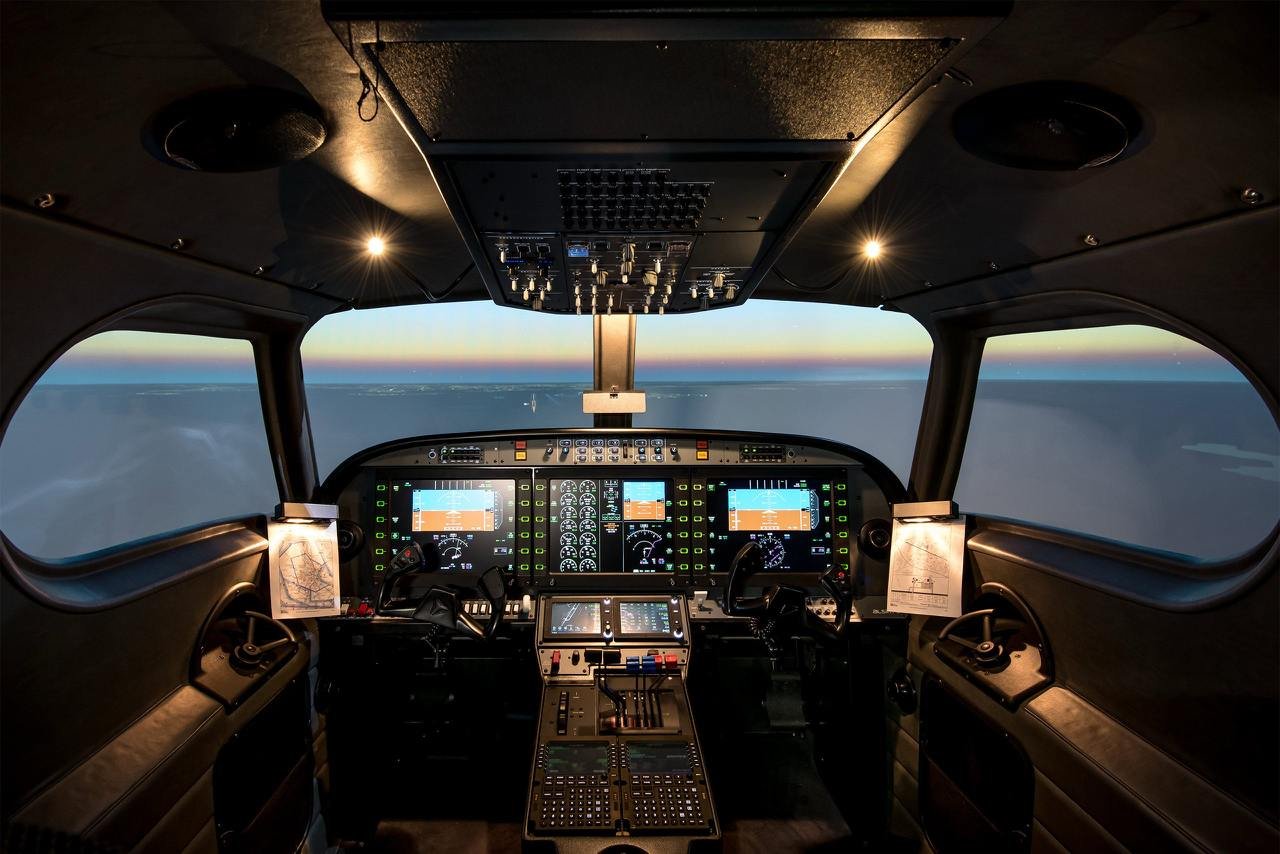
All Programs airlane and helicopter programs
- FAA part 141 & ACCSC accredited
- Since 1985 – 35+ years of excellence
- From zero experience to airline career
- airplane & helicopter courses for all Levels
- International student visa options (M1/F1)
Need help?
Get free consultation with our school officer about your aviation career and find the best path to your goals.
Pelican Flight Training – Flight School in South Florida for Japanese Students
Since opening our doors in 1985, our academy has consistently delivered flight training programs at the forefront of aviation science and technology.
In Florida, students benefit from personalized pilot training that includes flying time in our modern fleet of Cessna and Piper aircraft. This hands-on experience allows future pilots to build real cockpit skills under the mentorship of highly qualified instructors.
Whether you are converting an existing license or starting from zero with the goal of earning your Private Pilot Certificate, our programs combine ground school, advanced simulators, and actual flight hours to help you reach your aviation ambitions with confidence.
Are you ready?High standards in training
-
 FAA 141 approved program
 -
 Accredited by the Accrediting Commission of Career Schools and Colleges (ACCSC) which is a recognized accrediting agency by the U.S. Department of Education
 -
 Train 35% faster than other flight schools
 -
 Build 1500 hours airline hiring minimums
 -
 US regional airline interview guaranteed
Why Japanese Students Choose Pelican Flight Training
Students from Japan often look for the same qualities in a flight school: clear structure, proven safety record, and a path that leads to a real aviation career. Pelican Flight Training has been meeting those expectations for Japanese pilots for decades.
Every lesson follows an FAA-approved syllabus. You will always know the next step, the required hours, and the standard to meet. This is the structure Japanese students value most.
Since 1985, our school has trained pilots from more than 50 countries. A long history means stable instructors, refined procedures, and a deep pool of alumni now flying worldwide.
South Florida offers year-round flying conditions. Compared to the limited airspace and high block-hour costs in Japan, students here log required hours faster and at a lower total cost.
Our instructors work daily with students whose first language is not English. You will train with the same aviation English used by ICAO and international airlines.
Our F-1 programs qualify for Optional Practical Training. Japanese graduates can stay, become CFI, build hours toward ATP, and earn income in the United States.
Cessna 152, Cessna 172, Piper Arrow, Piper Seminole, plus FAA and EASA certified ALSIM simulators. Safety and aircraft standards you can verify before you apply.
Your Training Pathway, Month by Month
The Full Professional Pilot Program A is structured in clear stages. Here is what Japanese students can expect from first ground school to CFI/CFII/MEI — the complete 15-month program.
| Months | Stage | What You Learn | FAA Milestone |
|---|---|---|---|
| 1, 2 | Ground School and Private Pilot intro | Aerodynamics, regulations, weather, navigation, first flight lessons in Cessna 152 | Student Pilot Certificate |
| 3, 4 | Private Pilot License (PPL) | Solo flights, cross-country navigation, night flying, 40+ flight hours total | FAA PPL Checkride |
| 5, 6 | Instrument Rating (IR) | Flying in clouds using instruments only, ALSIM simulator procedures, Cessna 172 | FAA IR Checkride |
| 7, 8, 9 | Commercial Pilot License (CPL) | Complex aircraft (Piper Arrow), commercial maneuvers, long cross-country flights, 150+ total hours | FAA CPL Checkride |
| 10 | Multi-Engine Rating (MEL) | Piper Seminole twin-engine training, single-engine failure procedures | Multi-Engine Add-On |
| 11, 12 | CFI / CFII / MEI | Teaching methodology, advanced maneuvers, instrument and multi-engine instruction | FAA CFI / CFII / MEI Checkrides |
| 13–15 | Hour Building as CFI (F-1 OPT) | Teach new students while logging Pilot-in-Command hours toward the 1,500 airline minimum | Paid work on F-1 OPT |
Students who already hold a PPL complete the remaining ratings in approximately 10 months. The full zero-to-MEI program runs 15 months.
Where an FAA Certificate Can Take You
FAA certificates are accepted as a qualification basis by airlines across the Middle East, Southeast Asia, Europe, and the Americas. Japanese pilots trained at Pelican have gone on to fly for international carriers where FAA hours and ratings are the standard. This is the fastest path from student to commercial cockpit for most of our international graduates.
On an F-1 visa with OPT, Japanese students can stay in the U.S. as a Certified Flight Instructor, log the 1,500 hours required by regional airlines, and interview for a sponsored Type Rating. Many graduates use this route to build professional experience before returning home or moving to international carriers.
The Japan Civil Aviation Bureau (JCAB) accepts an FAA Private Pilot License as a foundation. For a Japanese Commercial Pilot License, pilots complete JCAB written and practical exams in Japan. Training at Pelican gives you a solid foundation of airmanship, structured procedures, and flight hours that shorten and strengthen the JCAB conversion process.
JAL and ANA primarily hire ab-initio cadets through their own programs or through the Civil Aviation College of Japan. FAA-trained pilots can still apply, but the typical JAL/ANA path is cadet-based rather than license-transfer. We encourage Japanese students to speak with our admissions team so we can map your personal goal to the most direct route.
International Airlines That Hire FAA-Trained Pilots
| Region | Airlines | Typical Requirements |
|---|---|---|
| Middle East | Emirates, Qatar Airways, Etihad Airways | FAA CPL, 1,500 hours, ICAO Level 4 English |
| Southeast and East Asia | Singapore Airlines, Cathay Pacific, Korean Air, EVA Air | FAA CPL, 500 to 2,500 hours depending on program |
| U.S. Regionals | SkyWest, Republic, PSA, Envoy, Mesa | FAA ATP, 1,500 PIC hours, sponsored Type Rating |
| Europe (via conversion) | Lufthansa Group, KLM, Ryanair, TUI | FAA CPL plus EASA conversion and ratings |
| Americas | Avianca, LATAM, JetBlue, Frontier | FAA CPL, 1,500 hours for U.S. carriers |
Training Cost: United States vs Japan
| Cost Factor | Training in Japan | Pelican Flight Training (Florida) |
|---|---|---|
| Aircraft rental per hour | 500 to 700 USD | 150 to 200 USD |
| Duration to CPL | 3 to 5 years | 10 months (PPL holders) or 15 months (zero experience) |
| Estimated total tuition (zero to CFI/CFII/MEI) | 130,000 to 150,000 USD | $68,310 USD |
| Certificate recognition | JCAB CPL only | FAA CPL accepted by major international airlines |
Even with housing and living costs in Pembroke Pines, the total investment is significantly lower than completing the same training in Japan.
How to Apply from Japan
The application process from Japan takes about 6 to 10 weeks from first contact to your arrival in Pembroke Pines. Our admissions team guides each step.
| Step | What Happens | Timeline | Who |
|---|---|---|---|
| 1 | Submit the application form on this page or contact us on WhatsApp or by email | Day 1 | You |
| 2 | Free consultation call. We review your goals and recommend the right program | Within 24 hours | Admissions team |
| 3 | Enrollment agreement and I-20 form issued by the school | Week 1 to 2 | You and Pelican |
| 4 | F-1 visa interview at the U.S. Embassy or Consulate (Tokyo, Osaka, Naha, Sapporo, or Fukuoka) | Week 3 to 6 | You and U.S. Embassy |
| 5 | Visa approval, tuition payment, flight booking to Miami | Week 6 to 8 | You |
| 6 | Arrive in Pembroke Pines, housing setup, first ground school class | Week 8 to 10 | You and Pelican |
Life in Pembroke Pines for Japanese Students
Pembroke Pines is a safe suburban city just north of Miami, with strong international communities, year-round warm weather, and a short drive to the beach.
Our admissions team provides guidance on housing options near the school. Student housing typically costs approximately $750 per month.
Miami has an active Japanese community with Japanese grocery stores, restaurants, and cultural events. Current Japanese students at Pelican often help newcomers settle in during the first weeks.
Most students use a combination of a used car and rideshare apps. The school is close to major roads and North Perry Airport. A Japanese driving license is accepted together with an International Driving Permit.
We help new students get oriented with banking, local phone plans, and the paperwork needed for F-1 visa compliance. Everything can be completed within your first week.
South Florida has warm subtropical weather year-round, with average temperatures of 20 to 32°C. Afternoon thunderstorms in summer are short and rarely disrupt training.
Budget around 1,800 to 2,500 USD per month including housing, food, transport, and phone. Many students reduce costs by sharing an apartment with another student from the program.
Explore Our Flight School – Watch the Video
Welcome to Pelican Flight Training, one of Florida's leading FAA Part 141 academies, trusted by students from across the globe. Our structured training pathway takes you step by step, from your first private pilot certificate all the way to ATP and airline readiness.
In this video, discover what sets our school apart: a true passion for aviation, professional instruction, and a world-class fleet of training aircraft. From your very first takeoff to becoming a fully qualified airline pilot, our team is here to guide and support you at every stage.
Watch now and see how training at Pelican goes beyond learning. It's a complete transformation into the aviation career you've dreamed of.
Start FlyingFrequently Asked Questions
Absolutely. Florida is one of the best places in the world for flight training. With year-round sunshine and stable weather conditions, students can log flight hours more consistently than in many other regions. The diverse airspace and landscapes provide excellent opportunities to gain real-world experience in different flying environments.
The cost of pilot training in Florida depends on the program you choose, the number of hours required, and additional expenses such as materials, exams, or ratings. At Pelican Flight Training, the Full Professional Pilot Program A is $68,310. Contact admissions for a full cost breakdown.
You can begin flight lessons at any age, but to receive a student pilot certificate in the United States, you must be at least 18. Many students begin their journey in their late teens or early twenties.
There is no single perfect age to start pilot training. Success depends more on motivation, maturity, and the ability to dedicate time to learning. While the minimum age for a private pilot license is 18, many successful pilots have started both younger and older.
Yes. The aviation industry is facing one of the largest pilot shortages in history, creating excellent opportunities for aspiring aviators. Airlines are actively hiring, offering competitive salaries, signing bonuses, and faster paths to career progression. The demand has never been greater, which makes today one of the best times to start your pilot journey.
You should be comfortable with everyday English and willing to learn aviation English vocabulary. The FAA requires a basic level of English for all certificates. Our instructors work daily with students whose first language is not English, and our ground school builds aviation terminology step by step.
Yes. Pelican Flight Training is authorized by the U.S. Department of Homeland Security to enroll international students and issue the I-20 form for F-1 and M-1 student visas. Japanese students have trained with us for decades. Our admissions team guides you through the visa application, housing options, and the start of ground school.
The Full Professional Pilot Program A is offered to Japanese students at $68,310 under the 40-year anniversary promotion, a saving of more than $10,000 from the standard tuition of $83,950. The program covers training from zero experience to CFI/CFII/MEI. Payment is due only after your F-1 visa is approved.
The full Professional Pilot Program A — from zero to CFI/CFII/MEI — takes 15 months. Students who already hold a PPL complete the remaining ratings in approximately 10 months. Florida's year-round flying weather allows consistent training without long weather delays.
JAL and ANA typically hire ab-initio cadets through their own programs or through the Civil Aviation College of Japan. An FAA Commercial Pilot License is not automatically converted to a JCAB CPL in Japan. Japanese pilots trained abroad usually complete JCAB written and flight tests in Japan to work for major Japanese carriers. An FAA certificate with airline-standard hours is widely accepted by international airlines in the Middle East, Southeast Asia, and Europe.
An FAA Private Pilot License is recognized by JCAB as a foundation for further Japanese certification. To fly commercially in Japan, pilots complete the JCAB written and practical exams. The FAA training you receive at Pelican gives you the airmanship and flight hours needed to prepare for the JCAB conversion.
Flight training in Japan is limited by high aircraft rental costs, congested airspace, and long wait times for flight hours. Training in Florida offers lower cost per flight hour, consistent weather, and an internationally recognized FAA certificate that major international airlines ask for.
What Our Students Say


Pelican students life


Dreaming of becoming a pilot? Schedule your free consultation today!
Complete the form and receive a complimentary PDF guide: "Your First Steps to an Airline Career".
Our team will help you map out your path to a professional pilot career and show you why Pelican Flight Training is one of Florida's top aviation schools. Learn about training costs, visa options, and what it takes to qualify as a commercial airline pilot. Submit the form, and we'll contact you shortly.