Transfer to Pelican Flight Training From Another Flight School
Switching flight schools should move your career forward, not set it back. Keep your logged hours, move your SEVIS record, and finish training in South Florida with 365 days of flying weather.
Pelican Flight Training is a Federal Aviation Administration (FAA) Part 141, Part 61, and ACCSC accredited school in Pembroke Pines, Florida (Miami area), and we help pilots transfer in from other programs every year. You keep the flight hours already in your logbook, we evaluate the training you have completed, and our admissions team manages the Student and Exchange Visitor Information System (SEVIS) transfer for F-1 and M-1 students from start to finish.
On This Page
- Why Pilots Transfer to Pelican
- What Transfers With You: Your Flight Hours and Logbook
- How Much of Your Training Counts at a Part 141 School
- Part 141 vs Part 61: How Transferring Affects Your Path
- How to Transfer to Pelican in 5 Steps
- SEVIS Transfer for International Students (F-1 and M-1)
- Documents You Need to Transfer
- What Your Transfer to Pelican Costs
- Airplane and Helicopter Programs You Can Transfer Into
- Already Hold a CPL? Standardization Program for CFI / CFII / MEI
- From Our Admissions Team: Common Transfer Situations
- Frequently Asked Questions
- Start Your Transfer
Why Pilots Transfer to Pelican
Most students who call us are not starting over. They are mid-program and want a school that keeps them flying. Here is what they tell us matters most:
- You keep your logged hours. Time recorded in your logbook belongs to you and counts toward your certificate or rating no matter where you trained.
- Lower cost. Our Professional Pilot Program is priced at $68,310, which is $40,685+ less than ATP. See the full breakdown in our Pelican vs ATP comparison.
- Part 141 and ACCSC accreditation. A structured, FAA-approved curriculum with the oversight transferring students expect.
- Full F-1 and M-1 visa support. As a Student and Exchange Visitor Program (SEVP) certified school we issue the Form I-20 and guide your SEVIS transfer.
- A personal approach. Smaller cohorts and instructors who are graduates of our own school, not a conveyor belt.
If any of that sounds like the school you wish you had picked first, a transfer is straightforward.
What Transfers With You: Your Flight Hours and Logbook
You do not lose your flight hours when you transfer flight schools. Under 14 CFR 61.51, every pilot must document their own training and aeronautical experience, and that logbook stays with you. Logged time counts toward your certificate or rating regardless of which school you trained at.

Your instructor signs and endorses entries, but the record is yours. When you transfer to Pelican, bring your logbook and training records. We review your total time, the experience already logged, and the endorsements you hold so we can place you at the right point in our curriculum instead of repeating training you have already earned.
This is the single biggest worry transferring students raise, and the answer is reassuring: the hours follow the pilot, not the school.
How Much of Your Training Counts at a Part 141 School
There is a difference between the hours in your logbook, which always count, and formal curriculum credit at a Part 141 school, which is regulated. When you transfer into a Part 141 program, the FAA sets the limits.
Under 14 CFR 141.77, if your previous training was based on a Part 141 or Part 142 approved course and you complete a proficiency test and a knowledge test given by the receiving school, the credit "is limited to not more than 50 percent of the flight training requirements of the curriculum." The same 50 percent limit applies to aeronautical knowledge training.
| What you bring | How it is treated at Pelican | Source |
|---|---|---|
| Logged flight hours and aeronautical experience | Stay with you, count toward the certificate or rating | 14 CFR 61.51 |
| Curriculum credit (prior Part 141/142 course) | Up to 50%, after a proficiency test and knowledge test by Pelican | 14 CFR 141.77 |
| Training from a non Part 141/142 source | Evaluated individually by our certificate holder, then placed | 14 CFR 141.77 |
| Endorsements and certificates you already hold | Recognized as issued by the FAA | FAA |
In short: you do not start at zero, and a short evaluation tells us exactly where you continue.
Part 141 vs Part 61: How Transferring Affects Your Path
Pilots train under one of two FAA frameworks. Part 141 is a structured, FAA-approved syllabus with defined stages. Part 61 is more flexible and built around your logbook and instructor sign-offs.
When you transfer into a Part 141 program like ours, curriculum credit follows the 50 percent rule above. When training continues under Part 61, there is no fixed credit cap: your path is set by what your logbook shows and a readiness check with your instructor. Either way, the goal is the same, which is to certify you safely and efficiently without redoing work you have already done.
If you also hold a license from another country, that is a separate process. See our foreign license conversion program for International Civil Aviation Organization (ICAO) and European Union Aviation Safety Agency (EASA) conversions.
How to Transfer to Pelican in 5 Steps
- Talk to admissions. Tell us where you are training now, your total hours, and your visa type. Start at admissions or apply now.
- Send your records. Upload your logbook, training transcripts, certificates, and current Form I-20 through our application page.
- Complete a short evaluation. For Part 141 credit you complete a proficiency test and a knowledge test with our staff, which sets your starting point.
- Move your SEVIS record (international students). Your current Designated School Official (DSO) sets a transfer release date, and our DSO issues your new Form I-20.
- Start flying. Register for your program and report to your new DSO within 15 days of the start date on your new I-20.
Most of this runs in parallel, so you spend less time grounded between schools.
SEVIS Transfer for International Students (F-1 and M-1)
If you are an international student, transferring schools also means transferring your SEVIS record. Pelican is SEVP-certified, so we can receive your record and issue your Form I-20. The process depends on your visa type, so know which one you hold. If you are unsure, read our guide on F-1 vs M-1 student visas.
F-1 SEVIS Transfer Process
For F-1 students, your current DSO sets a transfer release date in SEVIS. On that date, access to your record moves to Pelican, and our DSO creates your new Form I-20. To keep your status, you register for classes and contact our DSO within 15 days of the program start date on your new I-20 (Study in the States; ICE). You keep the same SEVIS identification number and can remain in the United States between programs.
M-1 Students: the 6-Month Transfer Window
Many flight and vocational students hold the M-1 visa, and the rules are stricter. As a general rule, an M-1 student may transfer only within the first 6 months of attendance, except for circumstances beyond the student's control, and the transfer requires filing Form I-539 with U.S. Citizenship and Immigration Services (USCIS) (USCIS Policy Manual). If you are on an M-1, contact us early so we can confirm your timeline before it closes.
Do You Pay the I-901 SEVIS Fee Again?
No. When you transfer and keep the same SEVIS identification number, you do not pay the $350 I-901 SEVIS fee again. As ICE states, you do not have to pay the SEVIS fee when you transfer schools (ICE I-901 FAQ; Study in the States). Your existing payment carries over with your record.
Transferring During Your 60-Day Grace Period
If your program recently ended, you may still transfer. F-1 students can start a transfer during the 60-day grace period after completing studies, and the SEVIS record must be transferred before that window closes (ICE). Your new program generally must begin within 5 months. Reach out well before the 60 days end so there is time to process everything. For financing and visa planning, see our resources for U.S. and international students.
Documents You Need to Transfer
Having your paperwork ready keeps the transfer moving. Bring:
- Your pilot logbook with current totals and endorsements
- Training transcripts or stage records from your current school
- Any FAA certificates and ratings you already hold
- Your current Form I-20 and visa documents (international students)
- A government photo ID or passport
Upload these through our application page, which is the one place to submit your documents securely. If anything is missing, our admissions team will tell you what to request from your current school.
What Your Transfer to Pelican Costs
Cost is one of the most common reasons pilots transfer. Our Professional Pilot Program is priced at $68,310, which is $40,685+ less than ATP for comparable training. Because you arrive with hours already logged and curriculum credit applied where the rules allow, most transferring students pay only for the training they still need, not for a full program from zero.
We walk you through your remaining stages and what each costs before you commit, so there are no surprises. For a side-by-side look at how we compare on price and structure, read Pelican vs ATP.
Airplane and Helicopter Programs You Can Transfer Into
You can transfer into any stage of training that fits your experience:
Airplane Programs
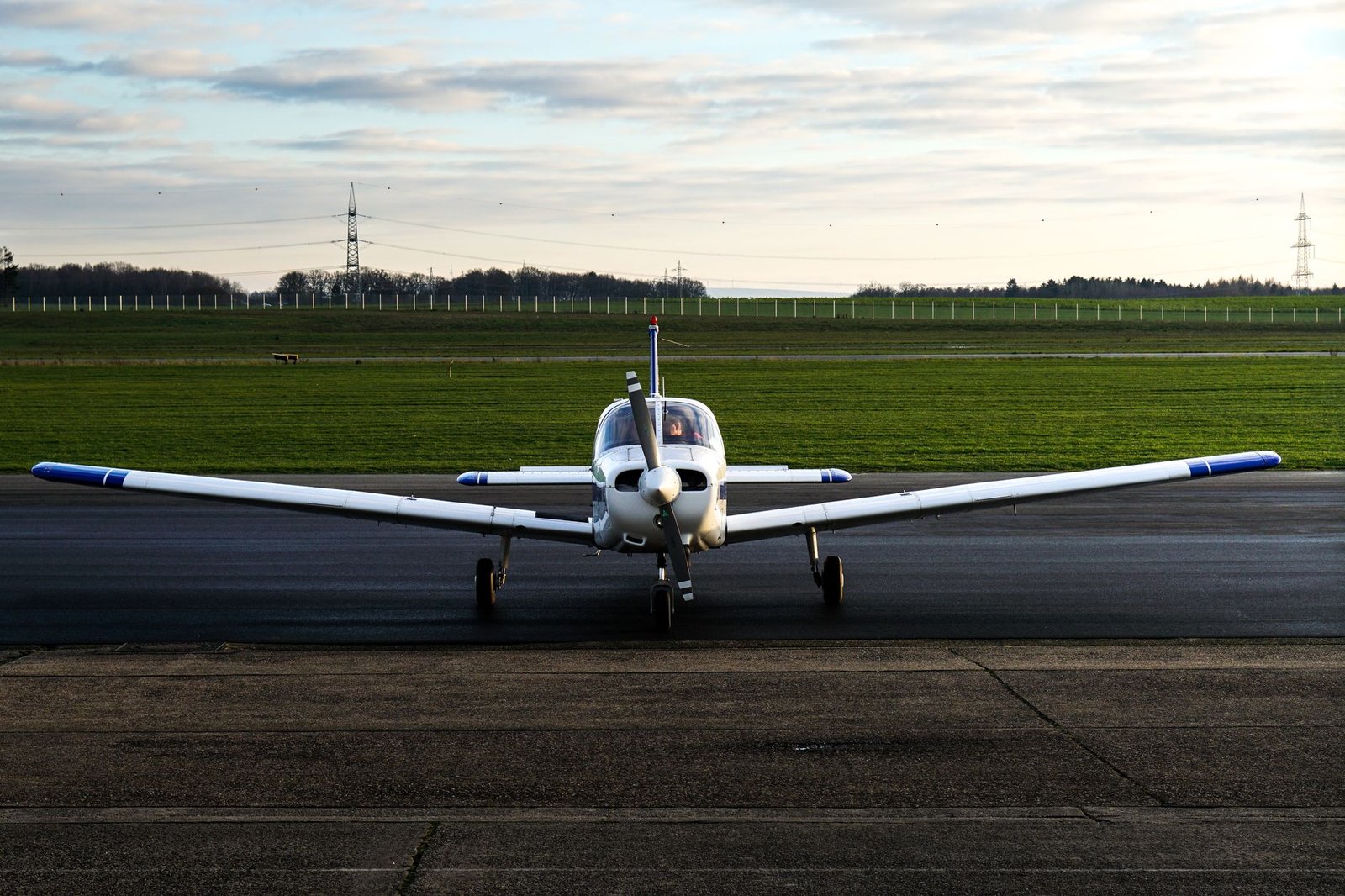
Private Pilot License (PPL), Instrument Rating (IR), Commercial Pilot License (CPL), Multi-Engine, Certified Flight Instructor (CFI), and the full Professional Pilot Program.
Helicopter Programs
From Private through Commercial and instructor ratings, at one of only four FAA Part 141 helicopter-accredited schools in the US.
If you started in airplanes and want to add helicopters, or the reverse, a transfer is also the moment to adjust your track. Tell admissions your goal and we will map the shortest compliant path to it.
Already Hold a CPL? Standardization Program for CFI / CFII / MEI
If you completed your Commercial Pilot License (CPL) and Instrument Rating at another school and want to build the 1,500 hours required for an Airline Transport Pilot (ATP) certificate in the United States, the fastest path is becoming a flight instructor here. Pelican offers a Standardization Program designed specifically for pilots in this situation.
The program standardizes your existing CPL with Instrument Rating to U.S. FAA standards and then takes you through CFI, CFII, and CFI MEL so you can instruct legally in the United States from day one after certification.
What the Program Includes
- Standardization of your CPL with Instrument Rating (Part 61)
- Certified Flight Instructor Initial Course (Part 141)
- Certified Flight Instructor Instrument Course, CFII (Part 141)
- Certified Flight Instructor Multi-Engine Course, CFI MEL (Part 61)
Pricing
| Standardization Program | Price |
|---|---|
| Total Price | $32,298 |
| Total Price with discount | $26,000 |
Included in the price: books and supplies, renters insurance for the first 12 months ($500), fuel charges, all applicable taxes, and the $515 admission fee.
Visa and Work Authorization
This program is available under the F-1 visa with Curricular Practical Training (CPT). Once you complete your instructor ratings, you can instruct at Pelican legally, earn income, and build your flight hours in the United States: up to 6 months of CPT during the program and 12 months of Optional Practical Training (OPT) after graduation.
How Fast Can You Start?
The transfer takes one business day. Submit your documents, transfer your SEVIS record to Pelican, and start school the next day, with no gap in enrollment and no waiting period between schools.
From Our Admissions Team: Common Transfer Situations
The students who transfer to us usually fall into a few groups. Some trained at a school that lost aircraft availability and could not schedule lessons. Some watched their costs climb past what they budgeted. International students often arrive because their previous school could not support their visa status the way they needed. In nearly every case the fix is the same: review the logbook, confirm visa timing, run the evaluation, and get back in the air. Our team has handled these transitions for students from more than 30 countries, and we will tell you honestly whether transferring helps your timeline before you commit.
Reviewed by Pelican Flight Training admissions and chief instructor staff.
Frequently Asked Questions
Yes. Pelican offers a Standardization Program specifically for pilots in this situation. We standardize your existing CPL-IR to FAA standards and then certify you as a CFI, CFII, and CFI MEL. Total price is $32,298, with a discounted price of $26,000. The program is available under the F-1 visa with CPT work authorization, so you can instruct at Pelican and build your 1,500 hours in the United States. The SEVIS transfer takes one business day, submit your documents and you can start the next day with no gap between schools.
Yes. Pelican accepts transferring students at any stage of training. We are an FAA Part 141, Part 61, and ACCSC accredited, SEVP-certified school in Pembroke Pines, Florida, so we can review your hours, apply credit where the rules allow, and support F-1 and M-1 visa transfers. Start at our admissions or apply-now page.
No. Under 14 CFR 61.51 your logbook and the aeronautical experience in it belong to you and count toward your certificate or rating no matter where you trained. Bring your logbook to Pelican and we place you in the curriculum based on the time you have already logged.
Under 14 CFR 141.77, training from a Part 141 or Part 142 approved course can be credited up to 50 percent of the curriculum, after you complete a proficiency test and a knowledge test given by Pelican. Training from other sources is evaluated individually before you are placed.
Your current Designated School Official sets a transfer release date in SEVIS. On that date your record moves to Pelican, and our DSO issues a new Form I-20. To keep status, you register and contact our DSO within 15 days of the start date on your new I-20. Your SEVIS ID stays the same.
No. When you transfer and keep the same SEVIS identification number, the $350 I-901 SEVIS fee does not have to be paid again. As ICE confirms, you do not pay the SEVIS fee when you transfer schools. Your existing payment carries over with your record.
Usually only within your first 6 months of attendance, except for circumstances beyond your control, and the transfer requires filing Form I-539 with USCIS. Because the M-1 window is short, contact our admissions team early so we can confirm your timeline before it closes.
Yes. For F-1 students who keep the same SEVIS record, you can remain in the United States between programs rather than leaving and returning. Your record moves on the transfer release date, and you continue your status by reporting to your new DSO on time.
Bring your pilot logbook with totals and endorsements, training transcripts or stage records, any FAA certificates and ratings, your current Form I-20 and visa documents if international, and a photo ID or passport. Upload them through our application page and we will tell you if anything is missing.
Timing depends on your current school setting the transfer release date and on your program start date. International students must report to the new DSO within 15 days of the start date on the new I-20, and a new program generally must begin within 5 months. Start early so processing has time.
Possibly. F-1 students can begin a transfer during the 60-day grace period after finishing studies, but the SEVIS record must transfer before that window closes. After the grace period the record is no longer active. Contact us well before day 60 so we can move your record in time.
It can. Part 141 credit follows the 50 percent rule and requires evaluation tests. Part 61 has no fixed credit cap and is driven by your logbook and an instructor readiness check. We will recommend the path that certifies you fastest based on your records and goals.
Contact admissions with your current school, total hours, and visa type, then upload your records through our application page. We review everything, run a short evaluation, coordinate your SEVIS transfer if needed, and place you in the right stage. Apply now or message us on WhatsApp to begin.
If you already hold an F-1 or M-1 visa at another US school, you request a SEVIS record transfer and we issue a new Form I-20 without a new embassy interview. If you are training abroad and moving to the US for the first time, it is a standard new admission plus visa process. Either way your logged hours come with you, so you are not starting over.
Airlines hire on certificates, total time, checkride record and how you perform in the interview, not on a school name. What they notice indirectly is training quality, which shows up in whether you passed checkrides first time. Transferring to finish properly is always better than pushing through a school that is stalling your progress.
The two most common reasons are money running out mid-program and training slowing to a crawl because aircraft or instructors were unavailable. Both are why students transfer to us. A fixed bundled price plus our own fleet and 14,000 square foot maintenance facility removes most of the schedule risk.
The usual blockers are failing to obtain or hold an FAA medical certificate, an unresolved TSA security clearance issue for non-US citizens, or a visa status that has already lapsed. None of these depend on which school you attend, so a transfer does not fix them and does not create them. Talk to admissions before you give notice at your current school so we can check your status first.
There is no upper age limit for FAA certificates, and the only hard date in a US airline career is mandatory retirement at 65. Students in their thirties and forties transfer to Pelican regularly and finish the Professional Pilot Program in 14 to 18 months. What matters is holding a current medical and being able to train consistently.
Start Your Transfer
You do not have to stay at a school that is not working for you. Send us your hours and visa details, and we will give you a clear plan: where you start, what it costs, and how your SEVIS transfer will run.
FAA Flight training programs
FROM ZERO TO AIRLINE PILOT Commercial Pilot License in 10-15 months / Price $68,310 – Pay after visa approval
- FAA 141 approved & ACCSC accredited
- 35+ years of experience
Get Commercial Pilot License based on 2 types of training visas M1/F1:
- M1 Visa programs – Flexible course combinations
- F1 Visa program – Train, work, and build hours in the USA
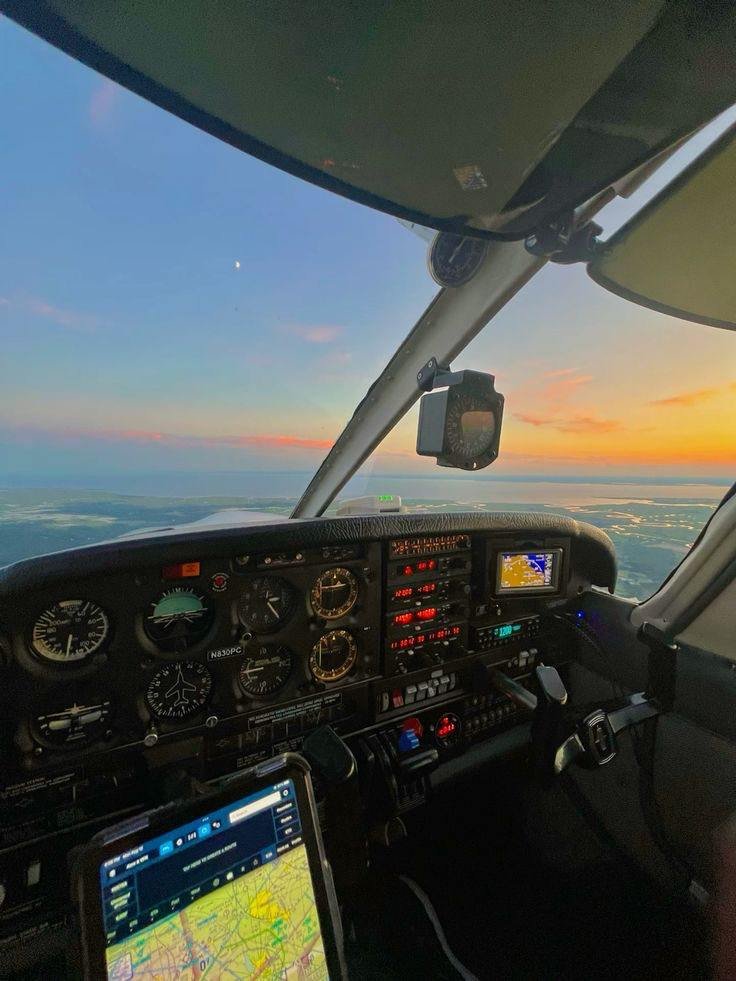
Foreign Pilot Conversion build 1500 hours of flight experience
Convert your ICAO / EASA license to FAA and take CFIs courses.
- Get paid to fly and earn back up $54,000 as a certified flight instructor, , and continue building the required hours for airline pilot training at our FAA approved pilot training school.
- Join US regional airline for 1 year and be sponsored for the Type Rating
Become a CFI and build your flight expirience
Build 1500 hours airline hiring minimums.
- Get paid to fly and earn back up $54,000
- Join US regional airline for 1 year and be sponsored for the Type Rating
- FAA 141 approved & ACCSC accredited
Visa option: F1 – train, work, and gain experience in the USA
Learn more Start Flying
FROM PPL HOLDERS Commercial Pilot License in 10-15 months / Price $58,207 – pay after visa approval
Get Commercial Pilot License based on F1 Visa
- FAA 141 approved & ACCSC accredited
- F1 Visa – Train, work, and build 1,500 hours in the USA
- M1 Visa – Flexible training, return home after completion
- Multi-Engine Add-on and Instructor Ratings available
All Programs airlane and helicopter programs
- FAA part 141 & ACCSC accredited
- Since 1985 – 35+ years of excellence
- From zero experience to airline career
- airplane & helicopter courses for all Levels
- International student visa options (M1/F1)
Need help?
Get free consultation with our school officer about your aviation career and find the best path to your goals.
Explore Our Flight School – Watch the Video
Welcome to Pelican Flight Training, Florida's premier flight school offering one of the best training programs for pilots from around the world. We offer a structured program that will take you all the way from private pilot rank to ATP and airline readiness.
In this video, you'll learn what makes our flight school so special — the passion, the professionalism, and the world-class fleet of aircraft used for training. From your first flight to becoming a professional pilot, we will be with you every step of the way.
Take a look right now and see why training at Pelican isn't just about learning — it's about transformation.
Start Flying-
2000+Airplane Private Pilot Certifications
-
1500+Airplane Commercial Pilot Certifications
-
1500+Airplane Multi-Engine Pilot Certifications
-
1000+Airplane Flight Instructor Certifications
What Our Students Say


Pelican students life


Want to become a pilot? Get a free consultation today!
Fill out the form and get a free PDF guide: ‘Your First Steps to an Airline Career’!
We will be happy to personally assist you in making decision for your future airline career by providing you with all the information you might need and providing answers to all of your questions. Please complete the form, and we will be in touch with you soon.