Professional Pilot Program A
Our most popular program for international students: from zero experience to Commercial Pilot with instrument and multi-engine ratings, then CFI, CFII and MEI instructor certificates. 15 months, 250 hours (213 hours in the aircraft and 37 hours in the ALSIM ALX AATD), $68,310 for the full program.
Full Professional Pilot Program A
If you are from Canada and want to build a career in aviation, Program A gives you complete training from your very first flight to instructor certificates, with structured instruction in Florida’s flying conditions all year round.
Apart from the $515 non-refundable enrollment fee, tuition payments start after you receive your Form I-20 and TSA approval. Canadian citizens generally do not need a U.S. visa stamp.
Download program PDF-
2000+Airplane Private Pilot Certifications
-
1500+Airplane Commercial Pilot Certifications
-
1500+Airplane Multi-Engine Pilot Certifications
-
1000+Airplane Flight Instructor Certifications

FAA Part 141 Certified Flight Training Center

F1/M-1 Visa Authorization & TSA

ALSIM ALX AATD and FLYIT AATD simulators

Partnership with Riga Aeronautical Institute (RAI)
Accredited by ACCSC
FAA Flight training programs
FROM ZERO TO AIRLINE PILOT Zero to CFI, CFII and MEI in 15 months / Price $68,310
- FAA 141 approved & ACCSC accredited
- Training pilots since 1985
Get Commercial Pilot License based on 2 types of training visas M1/F1:
- M1 Visa programs – Flexible course combinations
- F1 Visa program – Train, work, and build hours in the USA
Foreign Pilot Conversion build 1500 hours of flight experience
Convert your ICAO / EASA license to FAA and advance with our CFI courses.
- Earn while you fly — as a Certified Flight Instructor you get paid while gaining the flight hours required for your airline career at our FAA-approved training academy.
Become a CFI and build your flight experience
Build 1500 hours airline hiring minimums.
- Get paid to fly as a certified flight instructor
- FAA 141 approved & ACCSC accredited
Visa option: F1 – train, work, and gain experience in the USA
Learn more Start Flying
FROM PPL HOLDERS Custom program to CPL and instructor ratings / Price on request
Get Commercial Pilot License based on F1 Visa
- FAA Part 141 approved & ACCSC accredited — recognized quality training that meets the highest U.S. aviation standards.
- F-1 Visa – Study, work, and build up to 1,500 flight hours in the United States while gaining valuable professional experience.
- M-1 Visa – Flexible training option that allows you to return home after completing your program.
- Multi-Engine Add-on and advanced Instructor Ratings available to strengthen your career prospects.
All Programs airplane and helicopter programs
- FAA part 141 & ACCSC accredited
- Since 1985
- From zero experience to airline career
- airplane & helicopter courses for all Levels
- International student visa options (M1/F1)
Need help?
Get free consultation with our school officer about your aviation career and find the best path to your goals.
Flight School in Florida for Canadian Students
Every year, Canadian students come to Pembroke Pines, Florida, to earn FAA certificates at a school that has trained pilots since 1985. For many of them the deciding factor is winter: icing, snow, and short daylight can slow training at home, while South Florida weather generally supports more consistent scheduling. Pelican's structured professional program has an estimated timeline of approximately 15 months, with tuition payments after you receive your Form I-20 and TSA approval (apart from the $515 enrollment fee). FAA certificates may also support an application to convert credentials in Canada, subject to current Transport Canada requirements.
Canada has an established airline market, with carriers such as Air Canada, WestJet, and Jazz. Some Canadian students choose FAA training in Florida to reduce seasonal delays and to keep both the Canadian and U.S. markets in view. Training does not guarantee employment in Canada, the United States, or any other market, and each employer applies its own hiring and work-authorization requirements.
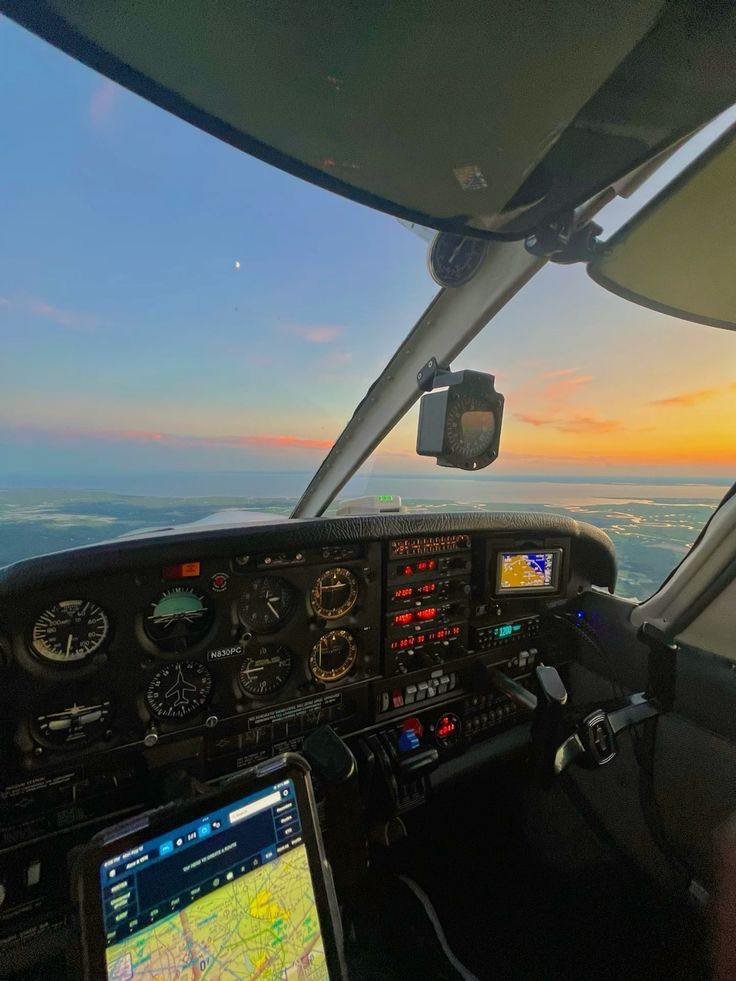
Training takes place in Cessna and Piper aircraft under FAA-approved Part 141 curricula at Pelican's Pembroke Pines location. The school is accredited by the Accrediting Commission of Career Schools and Colleges (ACCSC). Program content, aircraft availability, and instructor assignments may vary.
Are you ready?Why Canadian Students Choose Pelican
-
 FAA-approved Part 141 programs and institutional accreditation by ACCSC, a U.S. Department of Education-recognized accrediting agency
-
 Training pilots since 1985, with thousands of certificates and ratings issued
-
 South Florida weather can support more consistent scheduling, although weather, maintenance, student progress, and examiner availability affect every timeline
-
 Eligible graduates may apply for authorized practical training and flight-instructor positions; authorization, hiring, hours, and earnings are not guaranteed
-
 Career preparation and interview support may be available to qualified graduates; no airline interview or job is guaranteed
- Support for eligible F-1 and M-1 students through Pelican's Designated School Official
Enrollment does not guarantee visa approval or employment.
Explore Our Flight School – Watch the Video
Welcome to Pelican Flight Training, one of Florida’s leading FAA Part 141 academies, trusted by students from across the globe. Our structured training pathway takes you step by step — from your first private pilot certificate all the way to a Commercial Pilot License and instructor ratings.
In this video, discover what sets our school apart: a true passion for aviation, professional instruction, and a world-class fleet of training aircraft. From your very first takeoff to becoming a fully qualified airline pilot, our team is here to guide and support you at every stage.
Watch now and see how training at Pelican goes beyond learning — it’s a complete transformation into the aviation career you’ve dreamed of.
Start FlyingFrom Canada to the Flight Deck: How Enrollment Works
- Free consultation. Our admissions team reviews your goals, budget, and timeline and explains which available program and student status (F-1 or M-1) may fit your plans.
- Enrollment. Submit the required academic, identity, financial, and admissions documents. Aviation English proficiency is required for FAA certification and safe flight training; admissions can explain the school's current enrollment requirements.
- Form I-20. After admission and verification of all required documents, including proof of sufficient funds, Pelican may issue the appropriate Form I-20. Processing times are estimates, not guarantees.
- SEVIS fee and student status. Pay the current I-901 SEVIS fee ($350). Canadian citizens generally do not need a visa stamp from a U.S. consulate, but they still need a valid Form I-20 and must be admitted in F-1 or M-1 status when entering the United States. Fees and entry procedures can change, so verify them on official U.S. government websites before you travel.
- TSA approval. Complete the Transportation Security Administration's Flight Training Security Program requirements, including the applicable fee, identity documentation, and fingerprints.
- Arrival and training. Coordinate your arrival, housing, and start date with the school. Training schedules depend on orientation, approvals, weather, aircraft, instructors, and student progress.
- Tuition. Follow the payment schedule in your enrollment agreement. Published prices are based on stated assumptions and minimums; additional training, tests, supplies, housing, transportation, and other costs may apply.
Training in Canada vs Training in Florida
| Factor | Canada | Pelican, Florida |
|---|---|---|
| Path to airline eligibility | Training routes vary by school and employer | Structured Part 141 training; later employment and hour-building depend on authorization and hiring |
| Weather | Winter icing, snow, and short daylight may affect scheduling | Generally favorable weather, with delays still possible |
| Certificate | Transport Canada licence | FAA certificate; separate Transport Canada conversion may be required |
| Paid experience | Depends on local hiring | Eligible F-1 students may apply for practical training; authorization and employment are not guaranteed |
| Cost planning | Varies by school; seasonal delays can add time and cost | Current written quote controls; extra hours and fees may apply |
A longer comparison of costs, weather, salaries, and rules: Canada vs USA: where should you train as a pilot.
Pilot Salary in Canada vs the USA in 2026
Salary figures are estimates drawn from published sources; compensation varies by airline, aircraft, seniority, schedule, and contract.
Quick answer: published estimates put first-year regional first officers in Canada (for example at Jazz) at about CAD 55,000-70,000 a year, WestJet 737 captains at about CAD 220,000-280,000, and senior Air Canada widebody captains at CAD 300,000-400,000 or more. In the United States, the median annual wage for airline pilots, copilots, and flight engineers was USD 226,600 (BLS, May 2024). These figures are for general comparison only; they are not a job offer or a promise of earnings.
| Position | Canada (CAD, per year) | USA (USD, per year) |
|---|---|---|
| Regional first officer, year 1 | 55,000-70,000 (Jazz) | 85,000-100,000 |
| Narrow-body captain at a major airline | 220,000-280,000 (WestJet 737) | Varies by airline, seniority and contract |
| Senior widebody captain | 300,000-400,000+ (Air Canada) | 400,000-550,000+ |
Training time in Florida depends on the program, student progress, weather, aircraft and instructor availability, and checkride dates. Using FAA certificates in Canada requires meeting Transport Canada's current conversion requirements. Program details: Zero to CPL program.
Student Visas for Canadian Citizens: F-1 and M-1
Pelican is SEVP-certified and may issue Forms I-20 to students admitted to eligible programs. Canadian citizens are generally exempt from the U.S. visa stamp requirement, but not from student status rules: you still need a Form I-20, payment of the I-901 SEVIS fee, and admission in F-1 or M-1 status when you enter the United States. Status classification depends on the specific program and the student's circumstances:
- F-1: available for eligible academic programs. Eligible students may apply for Curricular Practical Training (CPT) during training and Optional Practical Training (OPT) after graduation, subject to eligibility rules. Practical-training authorization, employment, duration, flight hours, and earnings are determined case by case and are not guaranteed. Students must receive the required authorization before working.
- M-1: available for eligible vocational programs. Employment options are much more limited; students should plan to fund all training and living expenses without relying on U.S. employment.
DHS has published a rule that would admit F-1 students for a fixed period instead of duration of status. On September 14, 2026 a federal court blocked this rule, and on September 30 DHS filed an appeal. Until the case is decided, F-1 students are still admitted for duration of status (D/S). More detail: the 2026 F-1 rule explained.
Immigration rules and filing procedures can change. Before relying on any timeline or employment pathway, confirm the current requirements with Pelican's Designated School Official and official U.S. government sources. Student status by itself does not provide permanent work authorization or a path to a U.S. airline job.
Most non-U.S. citizens, including Canadian citizens, must also complete the TSA Flight Training Security Program (FTSP, formerly AFSP) before covered flight training begins. The current fee is $140. Requirements, fees, and processing times can change; use the TSA portal for current information and allow extra time in your schedule.
Taking Your FAA Licence Back to Canada
FAA certificates are issued under U.S. regulations. FAA and Transport Canada licensing both follow ICAO standards, and FAA certificates can be converted to Transport Canada licences through a conversion process. That process may include document review, knowledge requirements, medical certification, experience requirements, and skill testing. Pelican cannot guarantee conversion, employment, or acceptance by an airline. Confirm the current process directly with Transport Canada before enrolling.
Living in South Florida as a Student From Canada
Pelican is based in Pembroke Pines, between Miami and Fort Lauderdale. South Florida generally supports year-round training, but flights can still be affected by thunderstorms, hurricanes, maintenance, air traffic, and other operational limits. Student housing is available at $750 per month plus a $200 deposit; ask admissions about current availability and transportation options, and budget separately for living expenses.
Transferring From Another Flight School?
If you are already training in the United States, Pelican can review your logbook, records, and immigration status. Your logged FAA-compliant experience stays in your logbook, but prior hours are not credited into Pelican's Part 141 programs; admissions can explain which program fits your stage of training. Any SEVIS transfer must be coordinated by the schools' Designated School Officials and completed before training begins. Learn how the process works: transfer to Pelican Flight Training.
Frequently Asked Questions
Florida can be a strong location for flight training because its climate often permits consistent scheduling. Actual flight availability still depends on weather, aircraft, instructors, air traffic, maintenance, and student progress.
Published tuition depends on the program selected and the assumptions in the current enrollment agreement. Minimum-hour estimates do not guarantee the final cost; additional flight time, exams, supplies, housing, transportation, and international-student expenses may apply. Contact admissions for a current written quote.
Pelican's professional pathway is commonly planned at approximately 15 months, but completion time varies with prior experience, individual progress, weather, aircraft and instructor availability, and checkride scheduling. Ask admissions for the current program schedule and assumptions.
You can begin lessons at any age; the FAA minimum is 16 for solo flight and 17 for the private pilot certificate. Our students range from late teens to career changers in their forties.
You do not need perfect English, but you must be able to read, speak, write, and understand English well enough to meet FAA requirements and train safely. Ask admissions whether any additional school-specific assessment or documentation is currently required.
Aviation demand changes by region and economic cycle. A pilot career can offer strong opportunities, but training does not guarantee an interview, job, salary, or rate of advancement. Research current hiring conditions in the country where you are authorized to work.
FAA certificates can support an application for conversion to a Transport Canada licence, and both systems follow ICAO standards, but recognition is not automatic. Transport Canada sets the current requirements, and applicants should confirm them directly before training.
Pay varies by airline, aircraft, seniority, and contract. Published estimates put first-year regional first officers at about CAD 55,000-70,000 a year, WestJet 737 captains at about CAD 220,000-280,000, and senior Air Canada widebody captains at CAD 300,000-400,000 or more. These are general estimates, not a promise of earnings.
It depends on the school, the program, and how many hours you need. Pelican's Professional Pilot Program A is USD 68,310 for the full program from zero to CFI, CFII and MEI, planned at approximately 15 months. Winter delays can add time and cost at home, while extra hours, fees, and living expenses can apply in Florida, so compare current written quotes.
Canadian citizens generally do not need a visa stamp, but career students still need a Form I-20, the I-901 SEVIS fee, and F-1 or M-1 status at entry. Every non-U.S. citizen also completes TSA Flight Training Security Program approval before covered training. Pelican's admissions team and Designated School Official can explain the current steps.
What Our Students Say


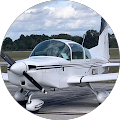
Pelican students life


Dreaming of becoming a pilot? Schedule a free consultation.
Our team can explain available programs, estimated costs, visa documentation, and planning assumptions. Any career or employment outcome depends on licensing, immigration status, employer requirements, and market conditions.
Apply online or message us on WhatsApp.